From poetry talks to wellness classes, the Museum of African American History is uplifting Black history, community and creativity by offering free events to friends and families all throughout April.
Beyond traditional talks and lectures, this series is pivoting towards interactive programming. From yoga sessions to a rebirth soundbath, there is no shortage of events for community members to participate in.
The museum is aiming to honor Black history across a range of generations. They invite students, children, parents and anyone in between to experience and witness for themselves what it means to preserve history and culture.
“We want enjoyment and love of history, and to acknowledge some of the underrepresented voices,” said Sage Morgan-Hubbard, the director of learning and engagement at the MAAH.
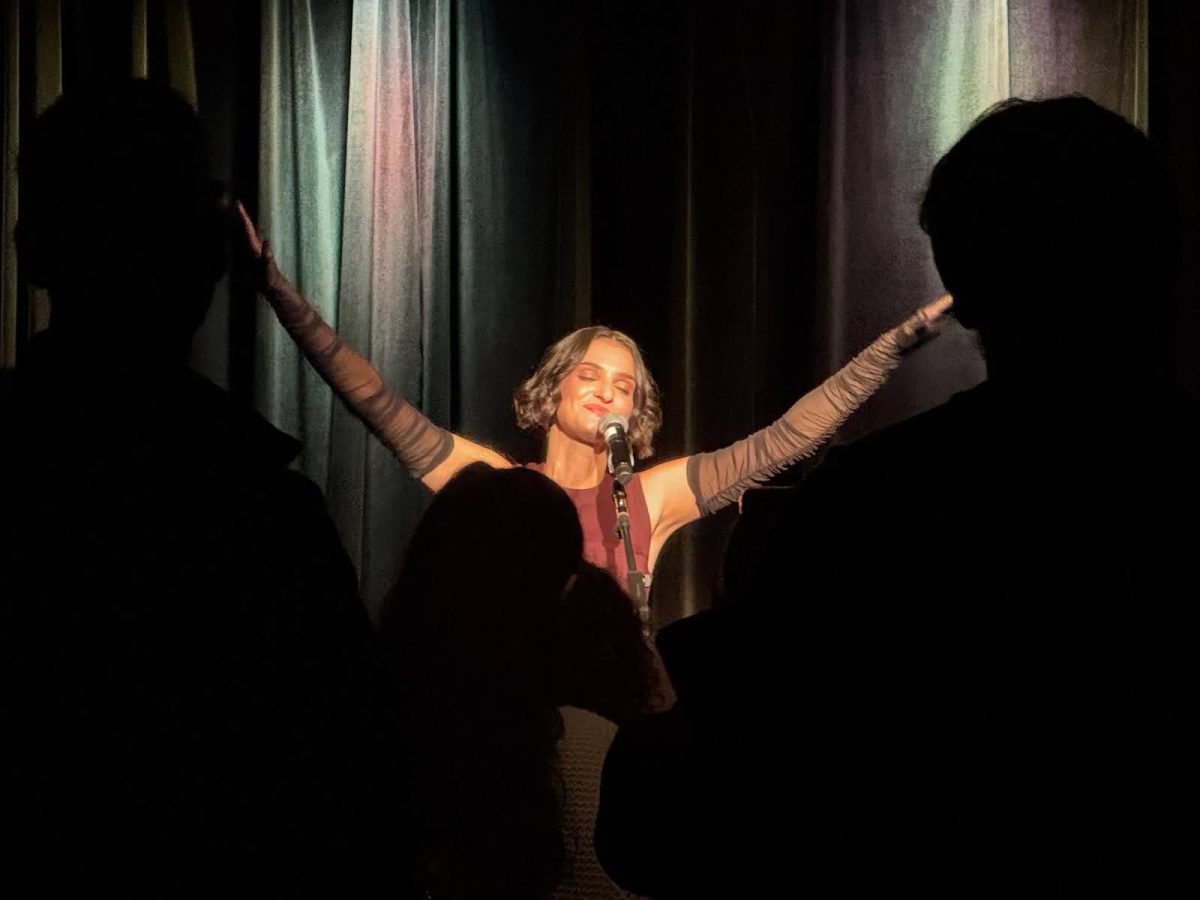
The team at the MAAH kicked off their month-long programming with a poetry reading by January Gill O’Neil of her book “Glitter Road” April 2 to pay homage to National Poetry Month. Hubbard said she not only wants to lift up Black voices, but also shed some light on women’s and LGBTQ+ voices. She believes preserving history behind minority voices is especially important this year.
“We always include women voices, or we’ve been including more queer voices… and just Black voices, in general, they’re pretty underrepresented. In this year of 250 [years], we’re really thinking about: What is 250 years of Black presence?” said Hubbard.
For the month of April, Hubbard wanted to hold onto the MAAH’s consistent programs, but also wanted to strengthen their partnership with the city. She said she wants to make sure the events they are putting on reflect Boston’s history and put a focus on communities that are not featured as much.
As much as consistent events stay at the forefront of April’s programming series, they are also incorporating new elements to bring history education to life. The MAAH invited different professors and local artists to develop new augmented reality experiences to reimagine historical figures.
Hubbard said this is their first time using this type of technology, and as a team, they want to incorporate artificial intelligence, not as a way to replace the meaning behind the events, but to enhance the experience for guests at the museum. By blending technology and history, the museum is reimagining different ways audiences connect with the past.
The museum is also turning a spotlight to their Nantucket branch to help bring restorative justice into conversations.
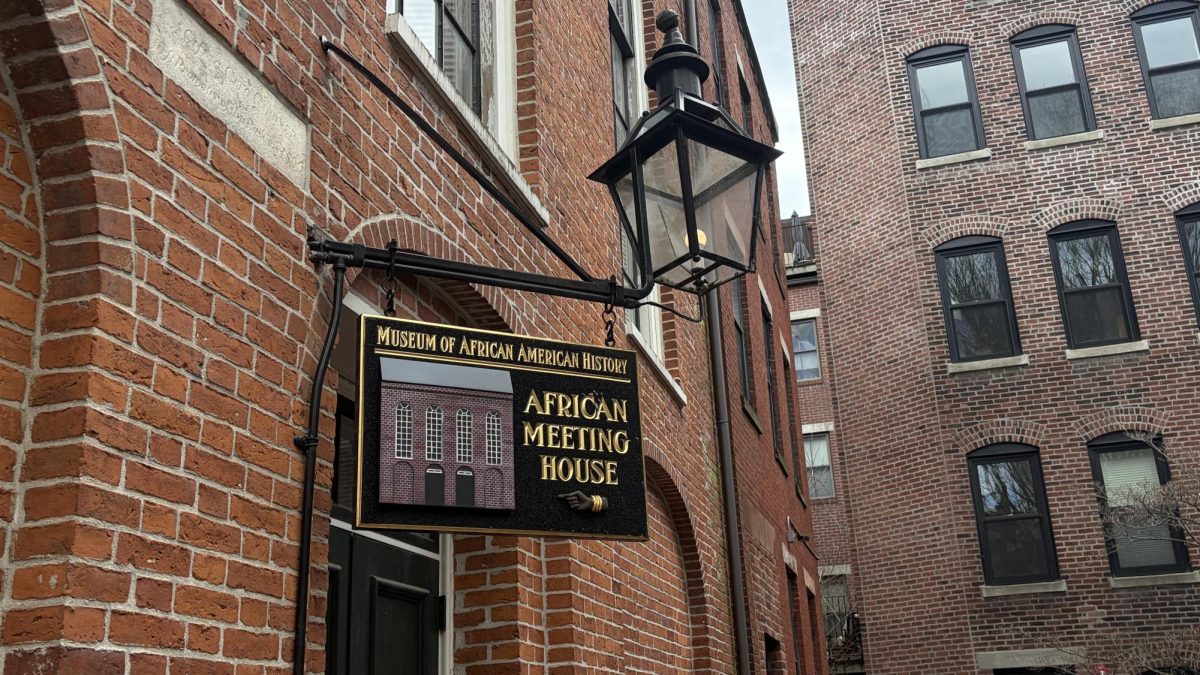
Back in 2018, there was racist graffiti spray-painted on the African Meeting House at its Nantucket location. This house was once a place where African Americans were able to learn and study. The MAAH wants community members to have conversations around restorative justice and teach neighbors how to cherish preserved buildings or artifacts.
Through these free events, Hubbard introduces new ways to witness and learn about history, beyond traditional classroom learning. From outdoor spaces, featured in their walking tours, to archeological digs, there are a plethora of ways to experience African American history with your own eyes through this April program.
Although much of the history is still unknown, Hubbard said we don’t actually know what many historical figures look like; they are often just silhouettes on the wall, so she calls on members.
“[This] allows for a lot of imaginary possibilities, and we hope that our audiences of all ages get to really help us reimagine with the fragments of history that we have,” Hubbard said.
Along with the free events, the partnership with the city makes their educational programs more accessible all year. On the first and second Sunday of each month, they participate in Boston Family Days to connect the deep African American history to Boston and neighboring communities.
April comes to a close with a map-making workshop rooted in African and Indigenous practice. The MAAH invites visitors not only to look back at history through these events, but also to actively shape how it is remembered. Through each program, the museum is reimagining what it means to interact with the past by making space for new voices, celebrating new perspectives and taking a chance on new possibilities. For a full list of April events, go to maah.org.