Boston Mayoral Race
Since taking office in 2021, Mayor Wu made significant progress on her promises to improve the affordability of public transportation, mitigate Boston’s impact on climate change, address the city’s housing crisis and allocate more resources towards education.
Despite running unopposed, many Boston voters had strong emotions relating to her next term, referencing the success they attribute to her last term.
Maica Bhatt, a woman who volunteered for Wu’s campaign shared her impression of the mayor. “I do love Michelle Wu,” Bhatt said. “She’s awesome.”
Bhatt also shared a different side of Mayor Wu that she had been exposed to through her work for her, remarking on the “very community oriented side of her and really being thoughtful about listening to people.”
By 2023 she eliminated fares for multiple bus lines, divested a sizable amount of city investment dollars away from companies that profit from fossil fuels and created a rent stabilization committee. In her Oct. 29 state of the schools address, Wu highlighted the improvement of Boston Public Schools in performance and facilities within recent years.
This was supported by voters who looked to the lower costs of living and environmental efforts as guidelines for how they voted in this past election.
Overall, voters felt generally satisfied with the way the Boston government has served its constituents. However, there were voters who had a more pessimistic outlook, viewing very little change within Boston over the course of Wu’s term.
Will Anes, a Massachusetts resident for the past 50 years said, “Nothing’s changed as the years go by, the same problems we had 50 years ago, we have today; housing costs and the price of things have always been too high.”
When announcing her reelection campaign in April of this year, Wu declared her continued focus on the issues motivating her original run. The reveal came in the wake of her testimony to the House of Representatives following consistent criticism from the GOP over Boston’s status as a sanctuary city—meaning loose enforcement of immigration policies. During the hearing, Wu unabashedly spoke of her own criticisms towards the Republican lawmakers present.
Wu ran in an unopposed race after out-performing Democrat Josh Kraft in the Sept. preliminary election.
Boston City Council
Ten candidates made it on the At-Large portion of the Boston Council ballot.
Four of them currently hold seats at City Hall, including Henry Santana, Ruthzee Louijeune, Julia Mejia and Erin Murphy, and are seeking reelection.
Six new candidates including Frank Baker, Yves Mary Jean, Marvin Mathelier, Will Onuoha, Rachel Mismelman and Alexandra Valdez are looking to upset the four incumbent councilors, as voters could pick up to four candidates.
Santana is one of a handful of counselors seeking support for rent control on the 2026 ballot, hoping to increase rent stability across the greater Boston area.
Opposing rent stabilization are candidates Frank Baker, Marvin Mathelier and Will Onuoha.
Dorchester’s Onuoha proposed that workforce housing would be a better solution, making units accessible for those not eligible for subsidized housing programs but need the extra support.
Other major issues that will be discussed with the winning candidates during their terms will be public safety and crime reduction strategies, as well as education in the Boston Public Schools system.
Around the state
One of the questions on the Revere ballot asked residents their opinion on the repeal of restrictions on the sale of recreational marijuana. This came 8 years after the Council originally voted on the ban after intense debate between city officials. Proponents note the city’s existing approval of medicinal marijuana usage and shifts in public opinion to support the reintroduction of the question.
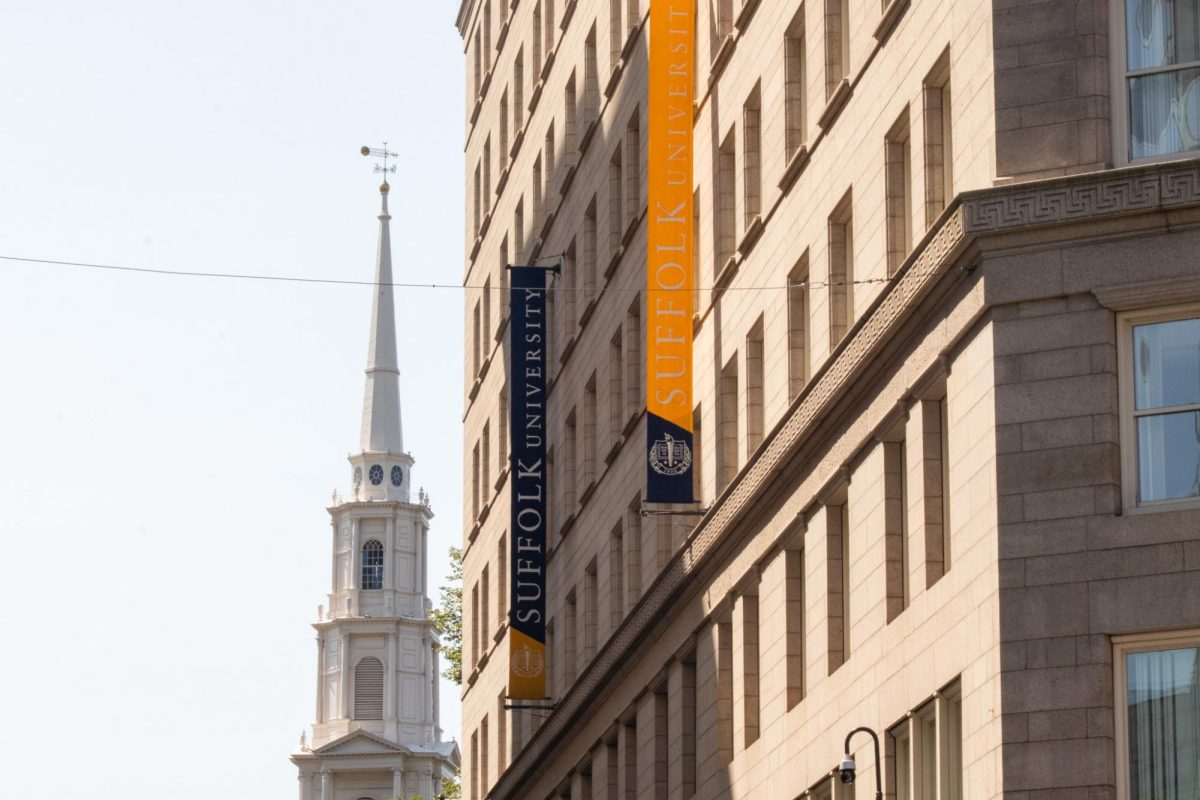
Since 2017, the city of Newton has enforced an overnight parking ban in public parking facilities between December and March. A question on the ballot for this year asks voters their opinion on repealing the ban. The “Vote Yes to Repeal the Winter Overnight Parking Ban” ballot question committee is led by Suffolk University Law School students Jeremy Freudberg and Peter Klapes. According to the committee’s website, the ban is “outdated, unnecessary, and exclusionary.”
Voters in the cities of Somerville, Framingham and Medford will see questions regarding new city charters on their ballots. All three include a proposed change that would alter the term length of their Mayors; Framingham and Medford would impose term caps—three and four respectively—while Somerville would see the length of a single term extended from two years to four.
In Boston:
Mayoral Race:
– Michelle Wu (D)
City Council:
– Erin Murphy
– Julia Mejia
– Ruthzee Louijeune
– Henry Santana
Across the state:
Everett Mayor:
– Robert Van Campen
Mayor term limits:
– Passed – Three (Framingham), Four (Medford and Somerville)
Noteworthy elections across the country:
New York City Mayor:
– Zohran Mamandi (D) – First Muslim mayor
New Jersey Governor:
– Mikie Sherrill (D) – First female governor
Virginia Governor:
– Abigail Spanberger (D) – First female governor
California redistricting:
– Passed – Posed to counter redistricting in Texas
Gun laws in Maine:
– Passed – Red flag gun law allowing family members to petetion a person’s access to guns