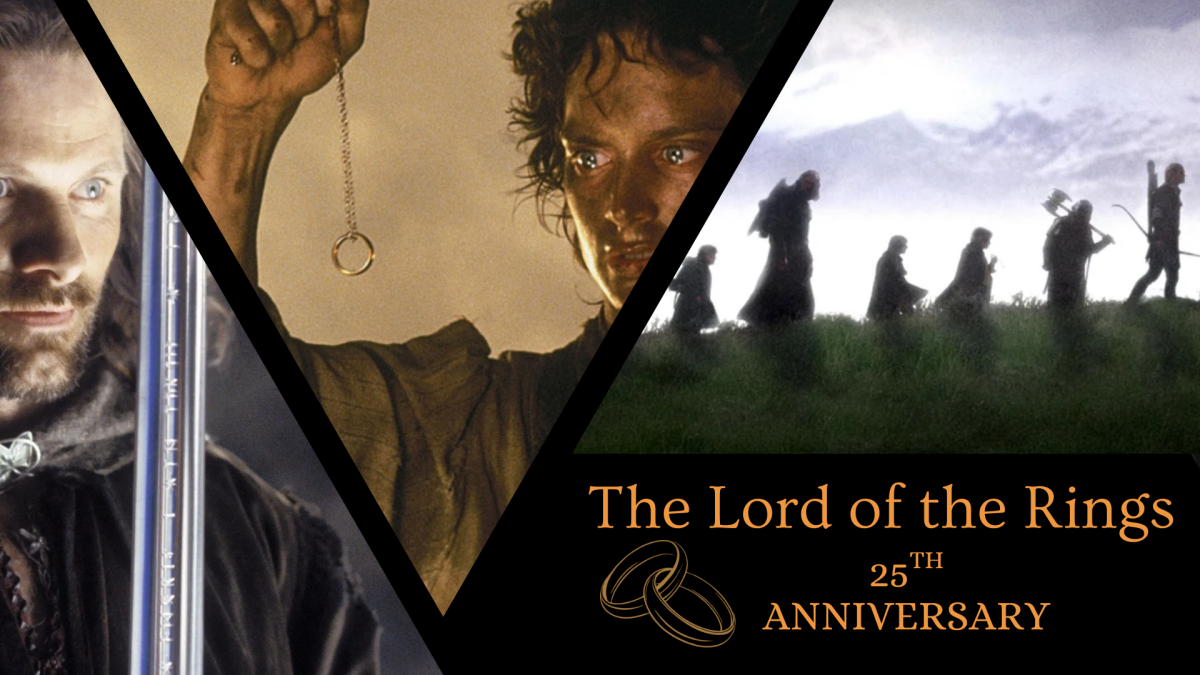
Twenty-five years ago, “The Lord of the Rings: The Fellowship of the Ring” premiered in theaters worldwide, giving rise to an Oscar-winning trilogy that transported audiences to the fantastical world of Middle-earth, where elves, dwarves, hobbits, wizards and humans could make unlikely friends, paving the way for epic fantasy on the big screen.
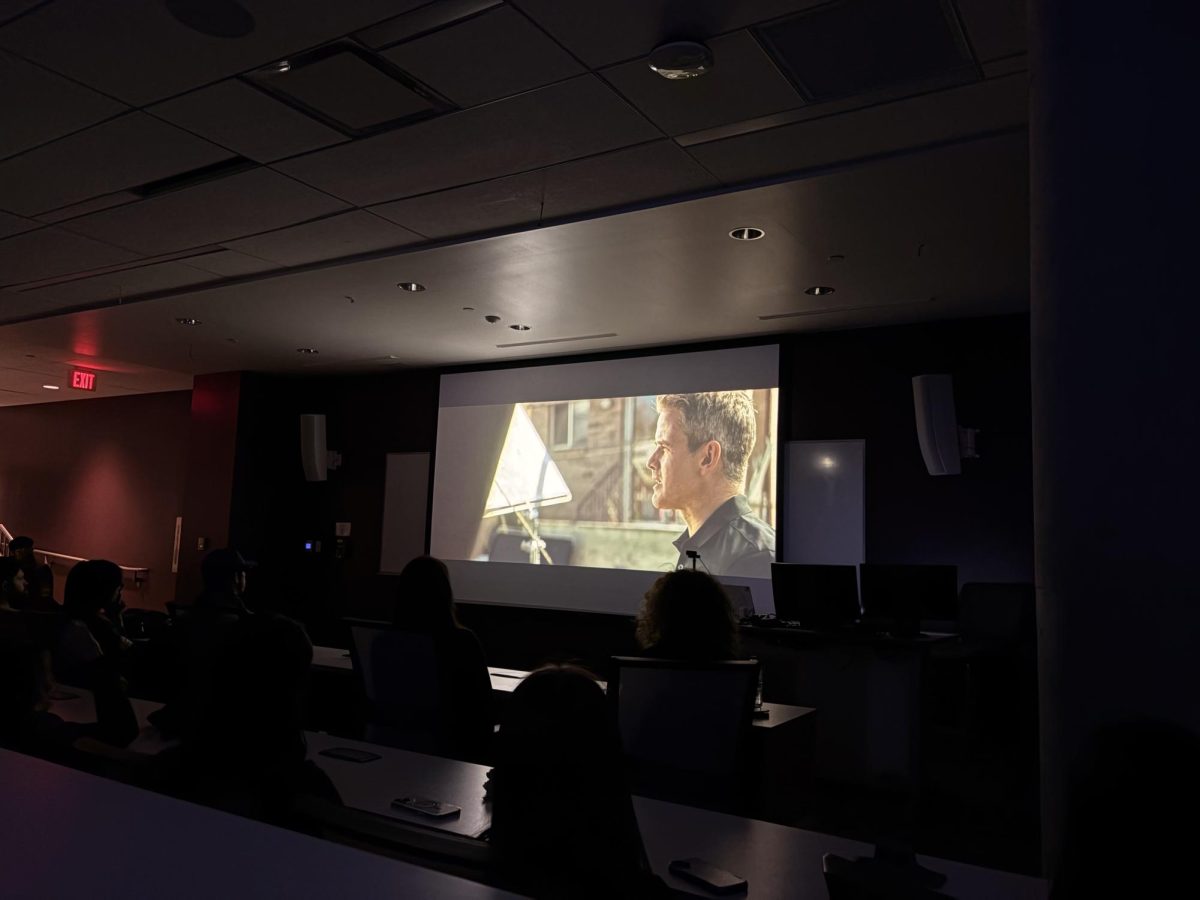
For two weekends, Jan. 16-18 and Jan. 23-25, “The Lord of the Rings” film franchise was brought back to the theatres with extended edition viewings and theatrical cuts to celebrate its 25th anniversary, offering fans a chance to see the remastered films in their prime again, with merchandise popcorn buckets and 4DX seats.
Saying “The Lord of the Rings” franchise has made a big impact on film is a bit of an understatement. Before these movies, it seemed impossible to bring fictional beings such as Orcs and Hobbits to life. Peter Jackson magically took charge of JRR Tolkien’s intricate world, giving it insane CGI and practical effects, creating some of the most iconic scenes in film history. Now, it’s widely dubbed as the greatest trilogy of all time, even considered better than the original “Star Wars” trilogy.
From the costumes and setting to the actors, “The Lord of the Rings” will forever be responsible for breaking the mold of what a fantasy epic can be in film. For one, it paved the way for motion capture, which revolutionized modern digital effects. “Avatar,” “Planet of the Apes” and Marvel Cinematic Universe fans can all thank Gollum, played by Andy Serkis, for motion capture’s breakthrough into what it is today.
Jackson helped prove to filmmakers and film critics that CGI and practical effects can work together, making anything possible on film. Without Jackson’s imagination, a 2-foot-tall hobbit standing next to a 6-foot elf wouldn’t be possible. The film features stunning special effects, from digital graphics, bigatures, prosthetics and makeup.
Weta Workshop, a design and manufacturing company for film and game industries, spent years creating thousands of props and costumes such as armor, weapons and miniatures for “The Lord of the Rings” trilogy, and these practical effects were essential in bringing Middle-earth to life.
Some of the most remarkable landscape shots in film history come from this trilogy. Being filmed entirely in New Zealand, the country has become a huge tourist trap with everyone wanting to see Hobbiton and Rivendell. From vibrant, lush meadows to terrifying mountain cliffs, New Zealand made the perfect landscape to bring Middle-earth’s complex scenery to the screen.
The greatest battle scenes in film history come also from this trilogy, fundamentally shifting how big-screen conflicts are depicted in cinema. The cinematic realism of these battles is timeless, becoming the blueprint for many film fighting scenes like those in the MCU. While brutal and intense, the accuracy of these scenes have been confirmed by warfare experts.
The trilogy helped define modern fan culture from marathons to lore analysis, turning what was once a “geeky” series into a mainstream cultural phenomenon. Truly, the films are for everyone, purely for the strength of the storyline.
A beautiful tale of friendship and beating the odds, “The Lord of the Rings” will remain a timeless cornerstone of cinematic storytelling, cherished by generations to come and continually inspiring filmmakers and audiences alike.
With 30 Academy Award nominations and 17 wins across the three films, the trilogy is considered the most awarded of all time in Oscar history, proving just how important these movies are to cinema.
The re-release is for the fans who can’t help but point out Viggo Mortensen breaking his toes in that one scene, who ask “Do you wear wigs?” and who still jam out to “They’re Taking the Hobbits to Isengard.”
The re-release has been the cherry on top for the ever-expanding “The Lord of the Rings” franchise, which is continuing to grow with ongoing shows like “The Rings of Power,” and upcoming productions such as “The Hunt for Gollum,” which is set to release Dec. 2027.