Suffolk University’s Student Government Association met with Provost Rick Oches and held the final round of executive board nominations during its meeting Feb. 12.
During the vice president’s report, SGA opened the second and final round of nominations for executive board positions.
Class of 2028 Sen. Fayth Cordeiro was nominated for president and accepted. Class of 2028 Sen. Kaylee Sanchez was nominated for vice president and accepted. Finally, class of 2027 Sen. Mia Toro was nominated for secretary and accepted.
SGA Secretary Stephanie Lima recognized the class of 2026 Sen. Christian Lapinski for this week’s P.I.L.L.A.R. Award for going beyond the required obligations of a senator. The award recognizes senators who meet the six pillars, which are passion, integrity, leadership, legacy, activism and “Rambition.”
After going through all of the initiative requests the Finance Committee has met with, SGA Treasurer Frank Ezhan reported that there’s roughly $23,000 remaining for the rest of this year.
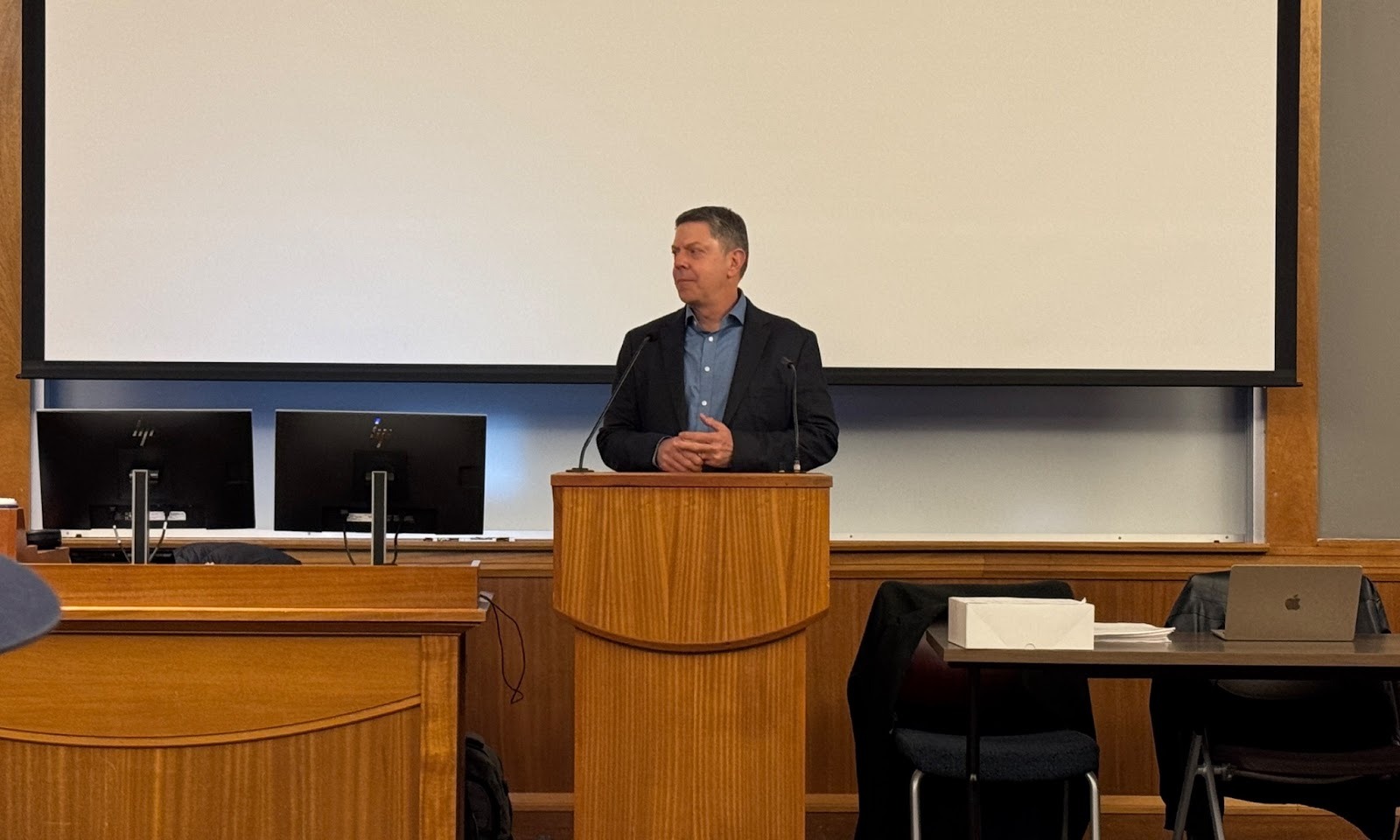
Later in the meeting, Provost Rick Oches arrived to speak directly with the senate and answer questions. He said he appreciated the invitation because he does not get to connect with students as often as he would like.
Students asked about the impact of recent layoffs on academic programs. The provost said reallocating workloads has been challenging, but also created opportunities to rethink how departments operate and support students.
He announced plans for the new honors program that will combine honors students from the College of Arts and Sciences and the Sawyer Business School. Current CAS Dean Sharon Lenzie will serve as the honors program advisor.
Ezhan asked about the rising cost of textbooks. The provost said the university is exploring ways to incorporate textbook costs into tuition bills. He said the administration is continuing to look for additional solutions, including working with faculty to expand the use of open educational resources, where faculty create or assign free course materials that students can access online or through the library.
“It requires a lot of time and investment from faculty to create those materials, so it’s not like they’re completely free, but the idea is to get them into the hands of students at no cost of students,” said Oches.
Class of 2028 Sen. Fayth Cordeiro asked how the university plans to accommodate more students, especially with new initiatives such as free tuition programs for Boston high school graduates, when some current students already struggle to get into their required courses.
The provost said the university is working to make Suffolk more accessible to students while also improving course access for its current students. He said the administration is working to find a balance between having full classrooms while also ensuring there is enough availability for students to enroll in their required courses on time. The administration is reviewing the waitlist process and prioritizing core classes needed for graduation.
Several senators raised concerns about academic barriers between the Sawyer Business School and the College of Arts and Sciences. Class of 2028 Sen. Mona Ammar asked about improving the process for students who want to major in one school and minor in another, since credits are structured differently.
The provost said the university wants to make the process easier and bring more liberal arts elements into business programs and vice versa. He said the curriculum design process is ongoing and that student input will be important.
Sen.-at-Large Divinity Johnson asked about improving academic advising. Oches said the university is exploring a new advising model that would give students a consistent advisor throughout their time at Suffolk. He said the university is also working to make advising worksheets more accessible and is exploring artificial intelligence tools on Workday that could answer basic questions, such as whether selected courses would keep a student on track for graduation. He said the technology would support student decision-making and let advisors focus on more complex advising needs.
“Then the advisors can really be focused on those deeper and more developmental kinds of conversations instead of just the registration crisis management type of conversations,” said Oches.
Students also raised concerns about the curriculum, including the limited foreign language options. Oches said he would follow up with Lenzie about the offerings, adding that there should be a wider range of languages given the diversity of the region Suffolk is located in.
Another student asked for updates on adding a financial literacy component to the SBS and CAS 101 courses. Oches said a task force is currently redesigning the course and is still working out its direction. He added that, “hopefully,” the university will move away from having separate SBS and CAS 101 classes.
“The whole point of bringing CAS and SBS together is to kind of build community,” said Ammar. “It’s more about that than about career building… you kind of get to know people in your community rather than just in your major.”
Ammar also suggested the course include more community-based learning about the departments and resources Suffolk offers. She said the class could give first-year students the opportunity to learn more about the university as a whole, rather than only their cohort. Oches agreed, saying the goal is to build community and a stronger sense of belonging.