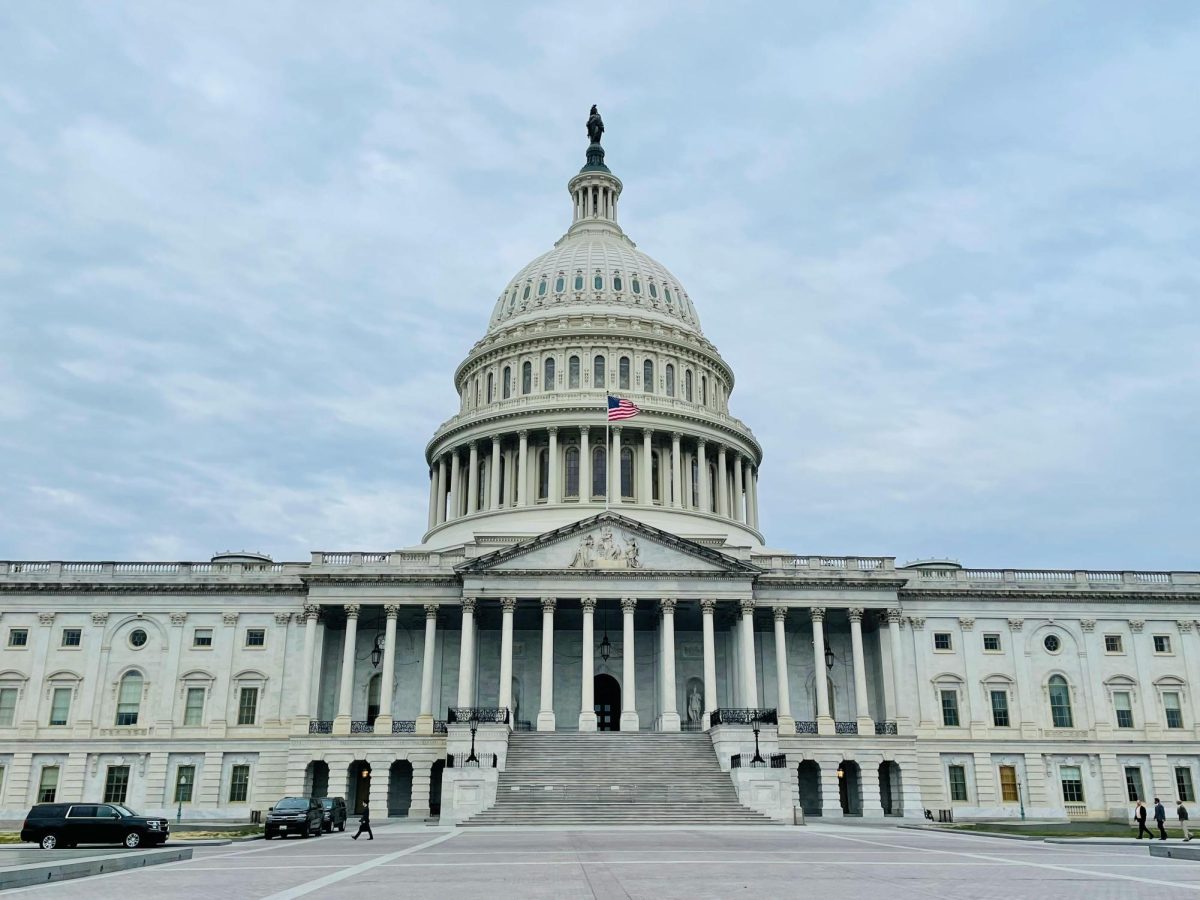
The longest recorded government shutdown in U.S. history ended late Nov. 12 when President Donald Trump signed the newly agreed upon spending bill.
Lasting 43 days, the shutdown came as a result of disagreements between Republicans and Democrats over terms regarding the federal budget for the new fiscal year, which started Oct. 1. The major issue that Democrats initially refused to relent on was healthcare — specifically reversals in cuts to Medicaid and extending a number of subsidies under the Affordable Care Act that are set to expire Dec. 31.
The Affordable Care Act, informally known as Obamacare as it was enacted under former president Barack Obama in 2010, has been heavily disapproved of by many Republican representatives as well as a significant portion of the general public since its inception.
The loss of these subsidies would hike the costs of health insurance for millions across the country, which could have major consequences for individuals seeking preventative and emergency care.
When drafting their budget proposal for the coming year, Republicans opted to forgo allocating funds to extend the subsidies as a part of their “clean” bill. It was intended to prioritize funding government operations for the time being while policy debates—such as healthcare—could be addressed at a later time.
The shutdown caused multiple devastating effects around the country; with loss of wages to nearly one million federal workers, insufficient funding for monthly SNAP benefits and extreme delays in flights being the most severe.
Shortly after the shutdown began, the Trump administration began issuing layoff notices to over 4,000 federal employees from multiple agencies, with many others being furloughed or asked to work without pay. This followed more than 200,000 other federal workers whose positions were eliminated by the administration earlier this year.
The first steps towards a resolution to end the shutdown came Nov. 10 when eight Senate Democrats voted to advance a deal with Republicans. However, this deal came at the cost of ensuring continued funding for the aforementioned healthcare subsidies.
The House of Representatives were called back into session Nov. 12, where the spending bill was passed in a 222 to 209 vote.
This choice by the eight senators has caused significant division between the Democratic Party, with many of their fellow representatives and members denouncing the deal in its entirety. Rep. Alexandria Ocasio-Cortez, D-New York, was outspoken in her criticism of her party.
“[Democrats] had a responsibility to develop, to deliver on health care subsidies, and the Senate failed to do that,” said Ocasio-Cortez in an interview Nov. 12.
The dissenting senators defended their choices by highlighting the utmost importance of reinstating the functionality of the government.
“This is not a perfect bill, but it takes important steps to reduce their shutdown’s hurt,” said Sen. Dick Durbin, D-Ill.
Durbin was among one of the Democrats to flip their vote and pass the spending bill.
Funding for the federal government will extend through Jan. 30 as a result of the newly approved budget. This leaves the potential for another shutdown if there has not been significant progress in budget negotiations by then.
Funding for essential nutrition support programs such as SNAP and the Women, Infant and Children program will be funded through the rest of the fiscal year, as well as funds for the Department of Veteran Affairs.
The end of the shutdown doesn’t mean things will return to their typical function right away.
Although the deal ordered the reversal of these layoffs and prohibited new ones, another predicted repercussion is decreased efficiency of federal agencies. Workers were already spread thin due to the mass layoffs and resignations that occurred earlier this year, and with the length of the shutdown, the amount of backlogged work they will return to could cause more hits to the operations of major services.
Just as the end of the shutdown returned a sense of normalcy to the country, it continues to raise many questions about the future. The vote to extend healthcare subsidies is predicted to take place in mid-December. Additionally, a provision which allows senators who were scrutinized during former PresidentBiden’s Administration’s investigation into the Jan. 6 riots to sue the government for up to $500,000 were included in the bill, with Rep. John Rose, R-Tenn., promptly introducing a bill to repeal it. The end of the shutdown also allowed for new developments in the long awaited release of the Jeffrey Epstein files, with over 20,000 documents released by the House Oversight Committee, which included new mentions of President Trump.